What can families do when an older relative becomes disoriented away from home?
When an older relative becomes disoriented away from home, the first job is to make sure they are safe and reachable. Stay calm, speak in short clear sentences, ask them not to drive, and help them sit or stand in a safe place. If they seem lost, confused about time, or unable to explain where they are, contact the people who can help locally and use any location feature available on a wearable medical alarm or phone.
Disorientation can happen for many reasons. It may follow a change in medication, dehydration, low blood sugar, infection, poor sleep, stress, or a change in routine. It can also relate to dementia or another longer term condition. The cause is not always obvious at the time, so the practical response is to focus on immediate safety, then look for patterns and get medical advice if the episode is new, worsening, or repeated.
First, reduce the immediate risk
A confused person may be perfectly calm one minute and highly distressed the next. The surroundings matter. A busy shopping centre, a car park, a railway station, or an unfamiliar street can make things worse. Move slowly, keep your voice steady, and avoid firing lots of questions at them. Simple prompts work better than arguing about what is real.
Try statements such as, "You are safe. I am here. Let us sit down for a moment." Then ask one thing at a time: where they are feeling uncomfortable, whether they have taken their medicine today, and whether they know where they are meant to be. If they are at a shop, library, clinic, or community venue, staff may be able to help without drawing attention to the situation.
If the person is driving and seems unsure of the route, do not wait until they are in heavy traffic. Encourage them to pull over somewhere safe and call for help. If you are not with them, ask them to stop, put the vehicle in park, and stay where they are until a trusted person arrives. Never take the keys by force in a moving vehicle or create a confrontation that could put either of you at risk.

How a GPS medical alarm can help
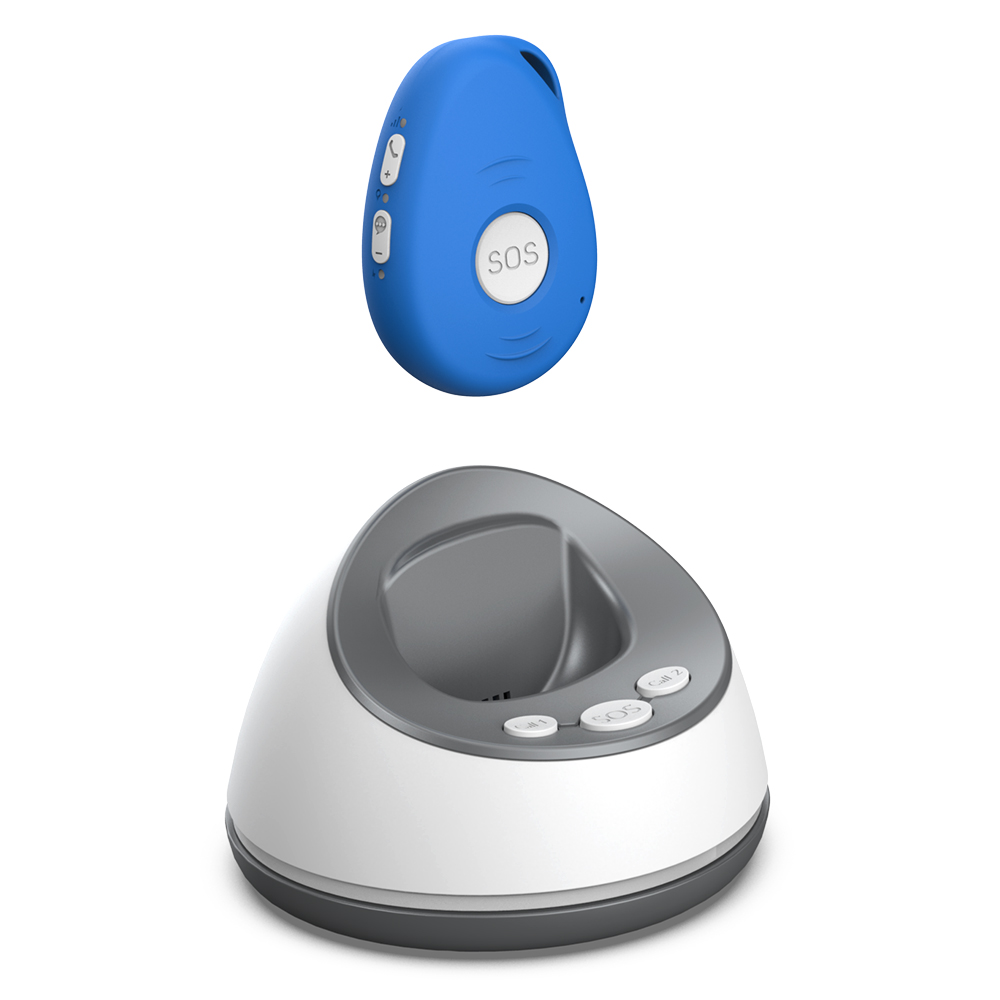
A GPS medical alarm is designed for moments when an older person needs to signal for help or be located. Familyr provides wearable medical alarms in New Zealand with SOS alerts, fall detection, GPS location checks and two-way calling without a monthly monitoring fee. Those features can reduce the gap between an incident and a family member knowing something is wrong.
The useful part is not just the device itself. It is the plan around it. A wearable that is left on a kitchen bench does not help someone who becomes confused at a bus stop. A device that can be worn during normal outings, with a clear SOS action and a way to speak through the alarm, can make it easier for family members to check what is happening without relying on guesswork.
Familyr Medical Alarms sit in this wider category of personal alert devices, where location checks and two-way calling can support a family response. A GPS location is not the same as a full picture of the persons safety. It may show a place, not whether someone has crossed a road safely, entered the wrong building, or fallen inside a stairwell. Treat it as one piece of information, then use judgement and local help.
Two-way calling can be especially useful when a person is anxious but not answering their phone. A familiar voice can help them pause and listen. Keep questions short. Ask whether they are indoors or outdoors, whether they can see a landmark, and whether they feel hurt. If a fall detection alert comes through, do not assume the person is fine because they answer calmly. Pain, shock, or confusion can affect how they describe what happened.
What to arrange before an episode happens
Planning is easier when everyone is calm. Families can agree on a few simple routines that do not feel like surveillance. The goal is to give the older person more confidence while making it easier for others to respond if something changes.
A good plan usually covers a few practical points:
- A short list of trusted contacts, including someone nearby who can respond in person.
- A current medication list and a plain language note about conditions, allergies and usual routines.
- A phone with enough battery, charged before outings, plus a way to carry it that is easy to reach.
- A wearable alert that is worn consistently, not kept in a bag or left at home.
- A agreed phrase or signal that means "I need help" without the person having to explain everything.
These arrangements work best when they are discussed with the older person rather than imposed on them. Talk about what would feel helpful if they became turned around in a familiar place. Some people welcome regular check ins. Others dislike frequent calls but are comfortable with a medical alarm worn on a pendant or wrist device. The right balance depends on the persons routines, confidence and preferences.

What to do during a confusing episode
When someone is disoriented, their reasoning may not follow the usual path. Correcting every detail can increase distress. If they say they need to get to work, to collect children, or to catch a bus that is not running, focus on the feeling behind the statement. They may be trying to meet an obligation or return to a place that feels safe.
Offer two simple choices rather than an open ended question. "Would you like water or a short walk back to the car?" is often easier than "What do you want to do?" If they are in public, ask for assistance from staff or a nearby person only if needed, and keep personal details to a minimum. If they become agitated, give them space, lower your voice, and avoid touching them unless they agree or there is immediate danger.
Medical symptoms need a different response. Sudden confusion, trouble speaking, weakness on one side, severe headache, chest pain, fainting, or a fall with possible head injury needs urgent medical help. Do not spend time trying to make the person explain themselves. Call emergency services and follow the instructions you are given. If an alert device has location features, share the location when asked, but do not let that delay urgent help.
After the episode, look for the cause
Once the person is safe, write down what happened in plain facts. Note the time, place, what they said, what seemed to trigger the confusion, and whether they had eaten, slept, or taken medication as usual. If there was a fall or a near fall, note where it happened and what the ground was like. These notes can help a doctor see patterns that are easy to miss in a single conversation.
Contact a health professional if the disorientation is new, happens more often, or comes with other changes. Medication reviews can be useful, especially after a new prescription or dose change. Vision, hearing, sleep, hydration and infections can all affect orientation. It is not helpful to assume that confusion is simply part of ageing, because some causes can be treated.
A wearable alert can support the practical side of care, but it does not replace medical assessment or everyday supervision where that is needed. Think of it as part of a wider safety net. Families can use the SOS alert, location checks and two-way calling offered by devices such as those from Familyr Medical Alarms, while also making sure that the person has regular contact, clear routines and a plan for urgent symptoms.
Helping without taking over
The hardest part for many families is finding the line between support and control. An older relative may be capable in familiar places and still struggle in a crowded or unfamiliar one. A practical approach is to agree on higher support only for situations where the risk is higher, such as long outings, travel, or appointments in large buildings.
Keep the tone respectful. Explain that the aim is to make help quicker, not to treat them as incapable. Practice how the alert works in a low pressure moment so the person knows what to do if they feel lost or unwell. Check the device fits comfortably, can be reached easily, and remains charged according to the product instructions. Avoid giving so many reminders that the person stops wearing it.
Disorientation away from home can feel alarming, but a clear response makes a difference. Keep the person safe, use the communication tools available, call urgent help when symptoms suggest it, and review what happened afterwards. With a simple plan and a suitable GPS medical alarm, families have a better way to respond when an older relative cannot easily explain where they are or what they need.
Corrections
Spot something wrong? Send it to the desk and it gets fixed in the open.